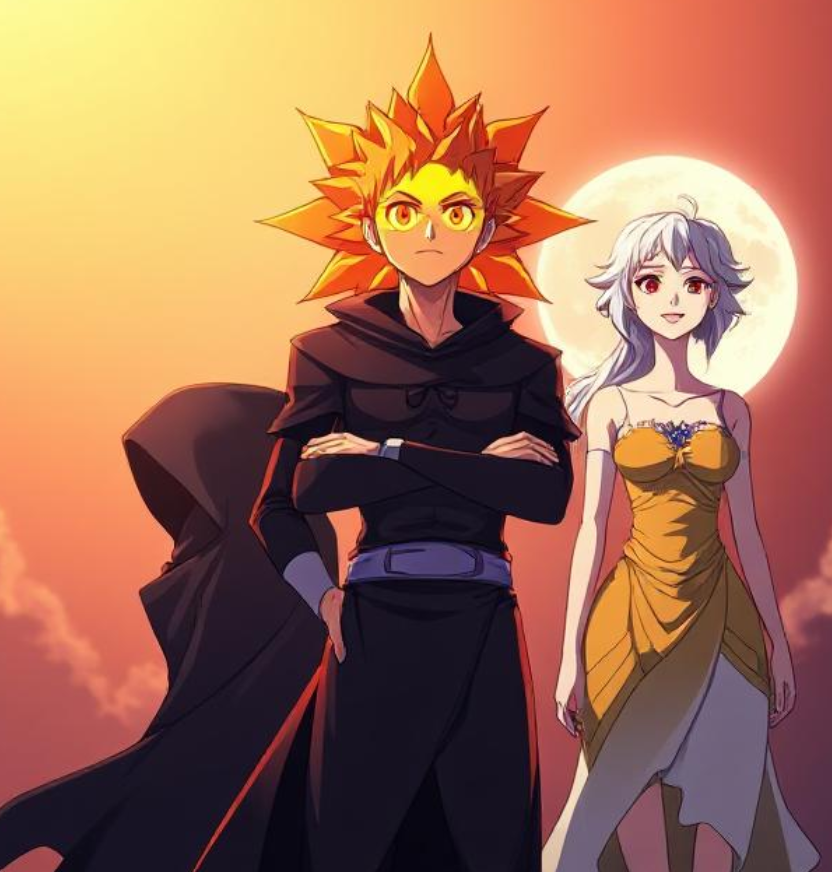
In this article, I want to talk about something personal: the philosophy of writing itself.
I genuinely believe that writers are gods.
That might sound dramatic at first. After all, we’re human—limited by time, energy, and doubt. But when you look closer, writing is one of the purest acts of creation that exists.
Every time we write, we bring something into existence that did not exist before. A character. A thought. A world. A truth.
Whether your prose is elegant or chaotic, whether you’re just starting out or have years of experience, the act remains the same: you create reality and perspectives through words. And that, in its own quiet way, is divine.
The Power of Creation Through Writing
There are many kinds of creators in the world—musicians, dancers, actors, filmmakers, content creators. Each of them brings something new into existence, shaping emotions and perspectives.
But writers possess a unique kind of power.
A writer doesn’t just perform within a world—we build the world itself. From nothing but imagination, we can invent civilizations, rewrite histories, create gods and monsters, design rules of reality, or explore the smallest corners of the human mind.
Even if your world feels imperfect or unfinished, it exists because you imagined it. That alone is powerful.
Readers or the observers can explore the universe we create.
They can love it, criticize it, or analyze it.
But they do not control it. Every law, every twist, every fate belongs to the writer.
That level of creative authority is rare and deeply freeing.
Creative Freedom Vs. Feedback
Critics and readers play an important role. They observe, interpret, and respond. Their feedback can sharpen our skills and expand our reach. But here’s the truth many writers forget:
Feedback is optional. Authority is not.
You decide what to accept and what to reject. Your work is not a democracy—it’s a vision. Listening does not mean surrendering control.
Think of it like being a benevolent god. You can hear the voices of your creations and observers without letting them dictate your laws. Growth happens when you balance openness with self-trust.
Philosophy in Practice
This philosophy isn’t just abstract—it’s practical.
Write boldly. Invent freely. Don’t let fear of criticism shrink your imagination. Adapt when necessary, but never abandon your core intent.
A useful reference here is Eren Yeager’s mindset from Attack on Titan—not his violence, but his relentless commitment to his goal.
Apply that determination to your writing. Evolve your strategies, refine your craft, but stay true to your creative purpose.
Conclusion: Embrace the Creator Within
Writers are creators. And with creation comes freedom.
This is a mindset every writer—beginner or veteran—deserves to embrace. Your words can birth universes, challenge ideas, comfort strangers, and spark conversations that outlive you.
Talk about this philosophy. Debate it. Share it with other writers. Let it fuel the stories only you can tell.
Your imagination is your kingdom.
Your words are your power.
And your universe is waiting to be born.